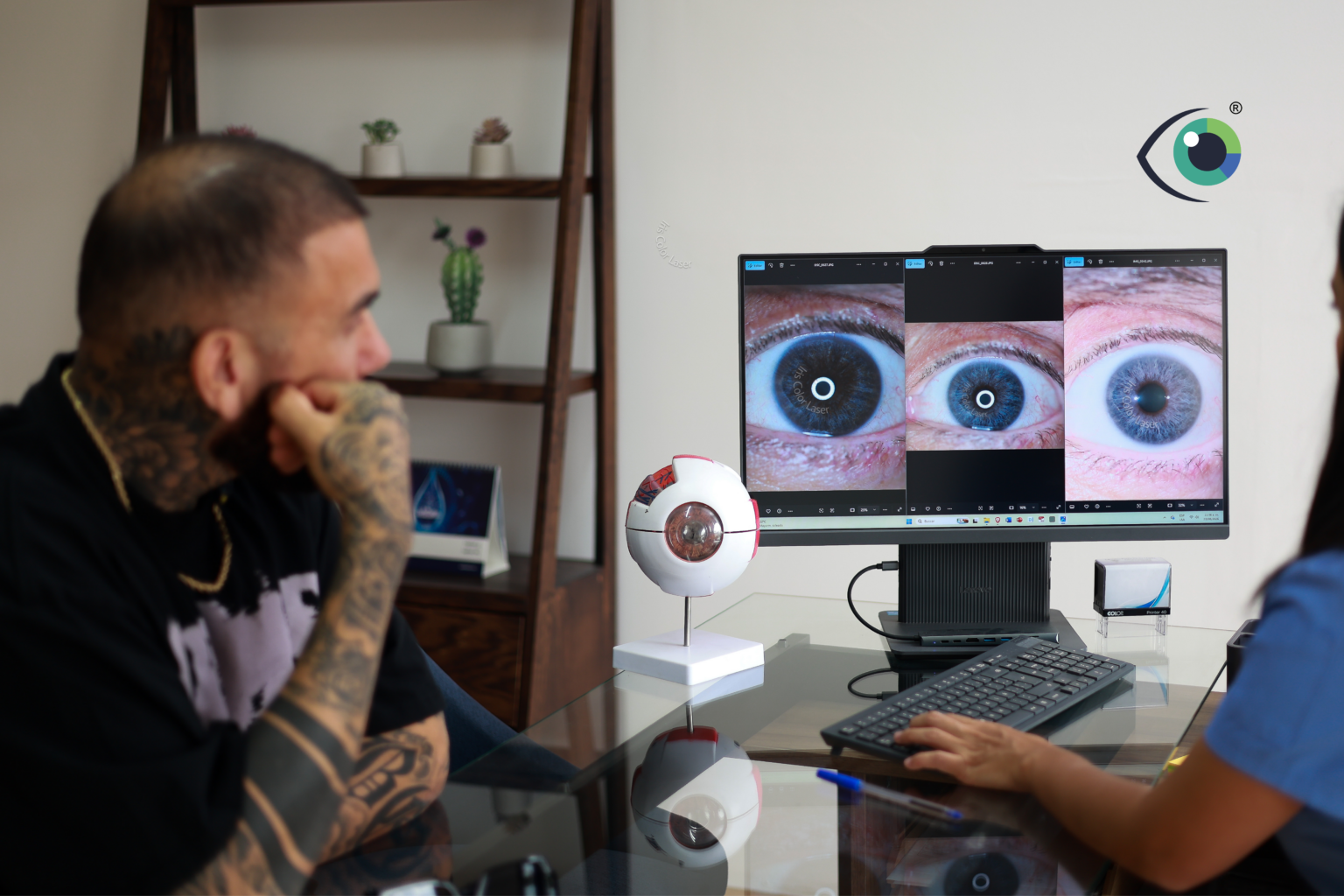
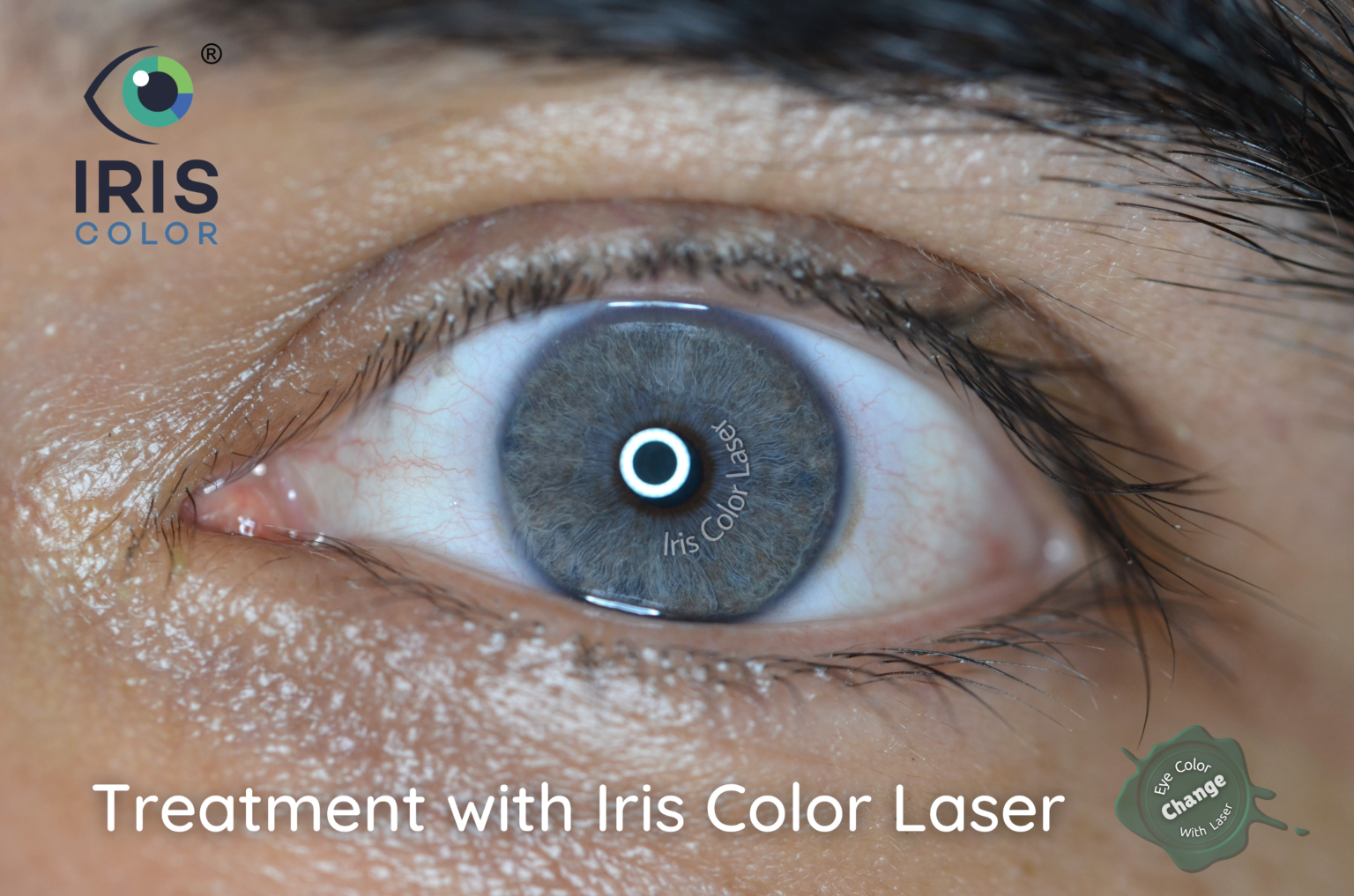
First, we confirm whether your eyes can be treated.
Candidacy is determined through diagnostic studies and an in-person ophthalmologic evaluation.
BEFORE YOU DECIDE
The essentials we review.
01
Medical history
Relevant eye and medical history.
02
Examination
An assessment of your eye health by certified ophthalmologists.
03
Diagnostic studies
Additional ophthalmic tests that help evaluate your eyes in detail.
04
Expectations
What may vary and what to expect from the process.
CRITERIA
There are cases in which we should not treat.
Conditions such as glaucoma, elevated intraocular pressure, intraocular inflammation (e.g., uveitis), autoimmune diseases, psychiatric disorders, and even unrealistic expectations may rule out treatment. The final decision is always made on an individual basis. Withholding any information is grounds for cancelling the procedure. Please review our exclusion criteria (in the box below).
Swipe or use the arrows to review each criterion.
Adulthood as a requirement
Treatment is considered only for people over 18. Age alone does not determine candidacy: diagnostic studies and an ophthalmologic evaluation are always required.
Expectations beyond the scope of treatment
The final shade, rate of change, and number of sessions vary with each iris. Starting treatment is not recommended if your decision depends on achieving an exact color, meeting a fixed deadline, or reproducing someone else’s result.
Involuntary eye or body movements
Laser application requires stable eye fixation. Involuntary movements that prevent precise treatment may make the procedure unsuitable. You need to remain in a stable position for a few minutes during each session. Tremors, spasms, or body movements that are difficult to control may prevent safe, precise application.
Pregnancy
Treatment is not recommended during pregnancy or if you suspect you may currently be pregnant, because aftercare includes certain eye drops that are contraindicated during pregnancy.
Changes in corneal transparency
The cornea must allow a clear view of the iris. Scars, opacities, or other corneal changes require specific evaluation and may rule out treatment.
Glaucoma
Glaucoma, uncontrolled intraocular pressure, or optic nerve damage may contraindicate treatment. The decision is based on diagnostic studies and the current condition of each eye.
Uveitis
Uveitis is inflammation inside the eye. An active episode or certain inflammatory conditions in your medical history may rule out treatment, even if there are no symptoms at that time.
Autoimmune conditions
Some autoimmune diseases can cause severe post-treatment inflammation; therefore, the treatment is not performed on patients with the following diagnoses: Hashimoto's thyroiditis, Graves' disease, rheumatoid arthritis, systemic lupus erythematosus (SLE), psoriasis, multiple sclerosis, myasthenia gravis, giant cell arteritis, polyarteritis nodosa, Behçet's disease, sarcoidosis, relapsing polychondritis, Vogt-Koyanagi-Harada disease, Birdshot disease, uveitis associated with autoimmune diseases, Graves' disease with thyroid eye disease, cutaneous lupus erythematosus, and discoid lupus erythematosus, among others.
RISKS AND AFTERCARE
Clear information before you decide.
Some of the most common and expected symptoms after a session are light sensitivity, dry eyes, redness, or temporarily blurred vision. Less frequent risks also exist and are explained during the consultation.
Following medical instructions, recommendations, aftercare, and scheduled examinations is part of the safety protocol.
Although these events are very uncommon, they are side effects reported in the literature for ophthalmic laser treatments in general.
Iris inflammation
This is inflammation of the iris. It may cause pain, light sensitivity, or blurred vision and requires an ophthalmologic evaluation to determine appropriate treatment and follow-up.
Increased eye pressure
Eye pressure may increase after a session. This may be temporary or require medication and additional checks, which is why pressure measurement is part of follow-up.
Corneal swelling
Fluid accumulation in the cornea may cause blurred vision and sensitivity. Its progression depends on prior corneal health and may require treatment and specialized monitoring.
Iris bleeding
A blood vessel in the iris may bleed during or after a session. If this occurs, laser application is stopped and the eye is evaluated before any further session is considered.
Anterior iris adhesions
This is an adhesion of the iris in the anterior angle of the eye. It may affect internal fluid drainage and contribute to changes in intraocular pressure.
Changes in pupil shape
This is a change in the shape of the pupil. In addition to its cosmetic effect, it may cause glare or visual discomfort depending on its location and extent.
Loss of lens transparency
Lens injury or significant inflammation may contribute to clouding of the lens. If a cataract affects vision, surgical treatment may be required.
Defect in iris tissue
A focal injury may leave a defect in the iris tissue. Depending on its size and location, it may allow light to pass through irregularly and cause glare or visual disturbances.
Loss of iris tissue
Thinning or damage to the iris may change its structure and the pupil’s response. This may increase light sensitivity or cause visual phenomena.
Macular injury and/or retinal hemorrhage
Accidental exposure at the back of the eye may cause a thermal injury or retinal bleeding. Depending on the area affected, the visual impairment could be permanent.
FOLLOW-UP
More than just sessions.
We review your progress and adjust instructions based on your response. Our protocol recommends repeating certain diagnostic studies approximately every 12 sessions.
CLINICAL RESULTS
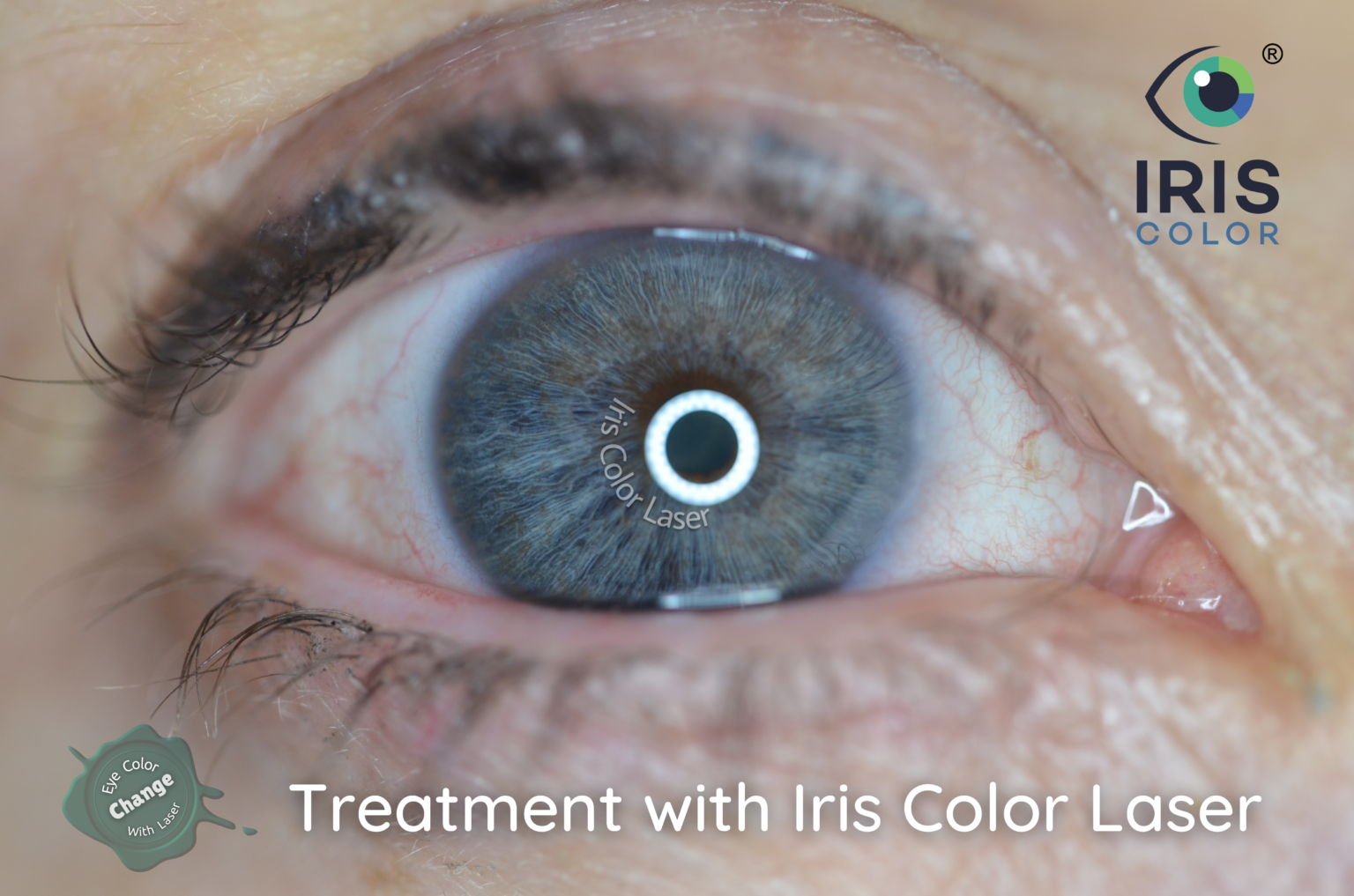
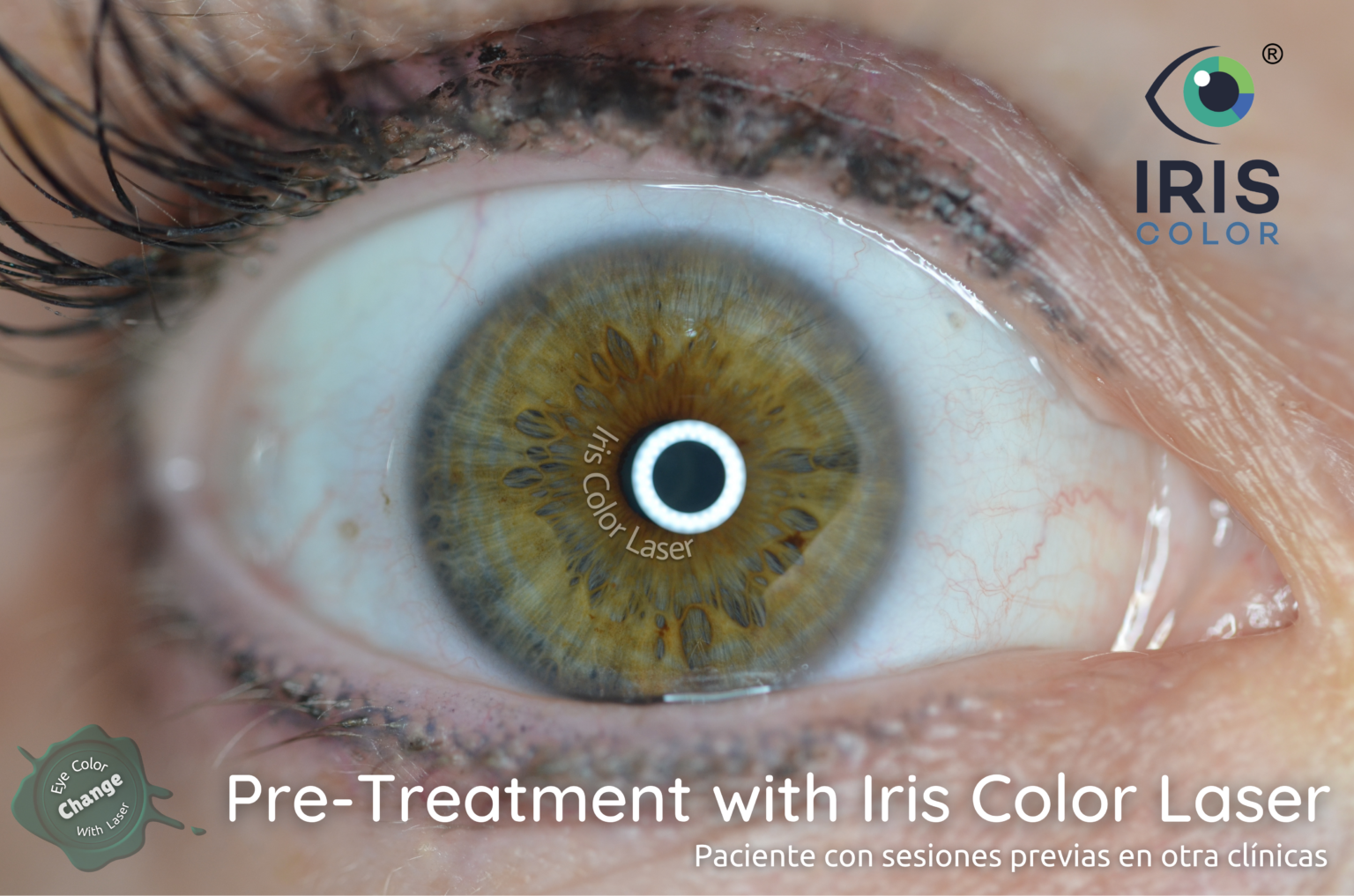
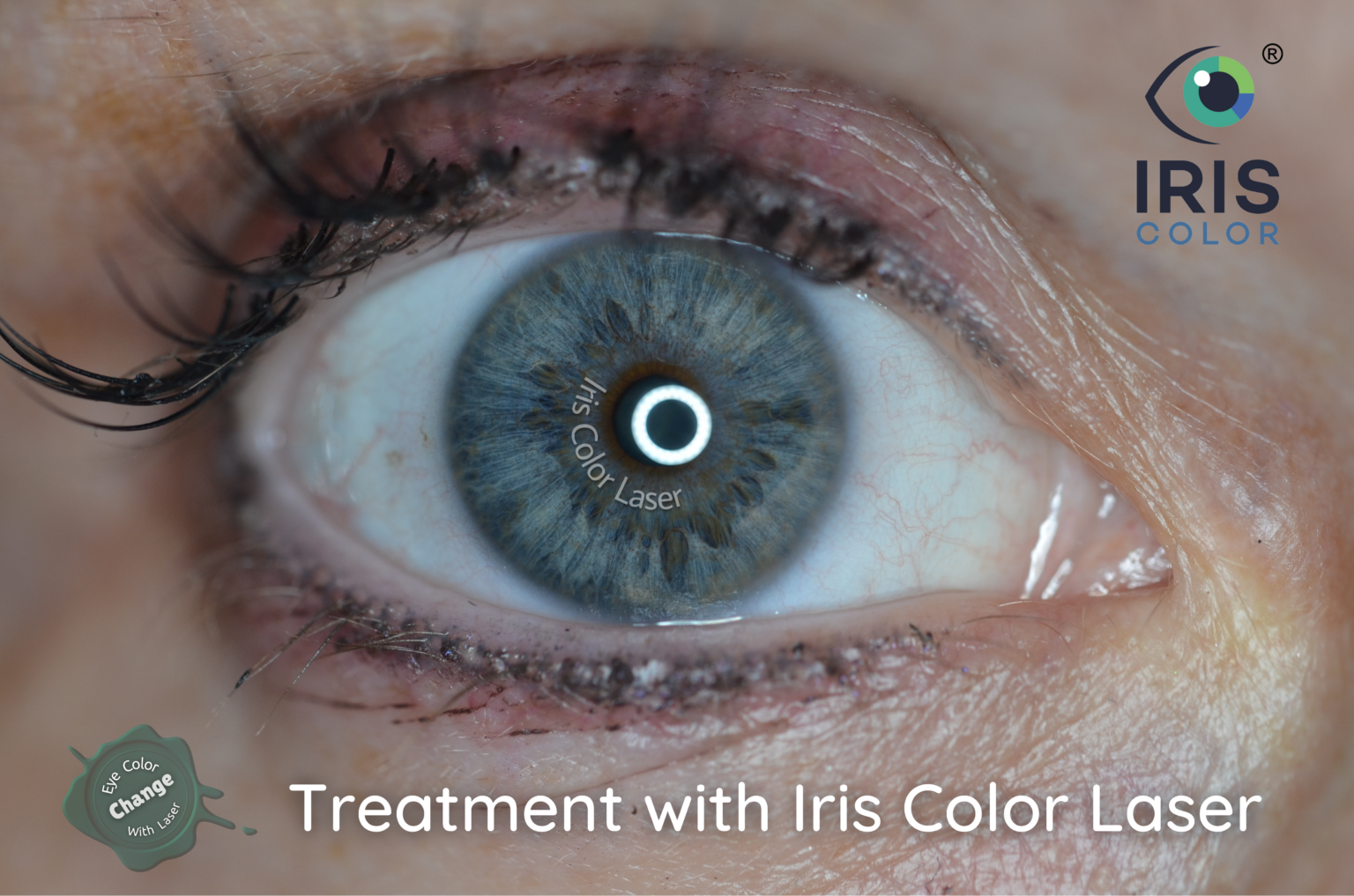
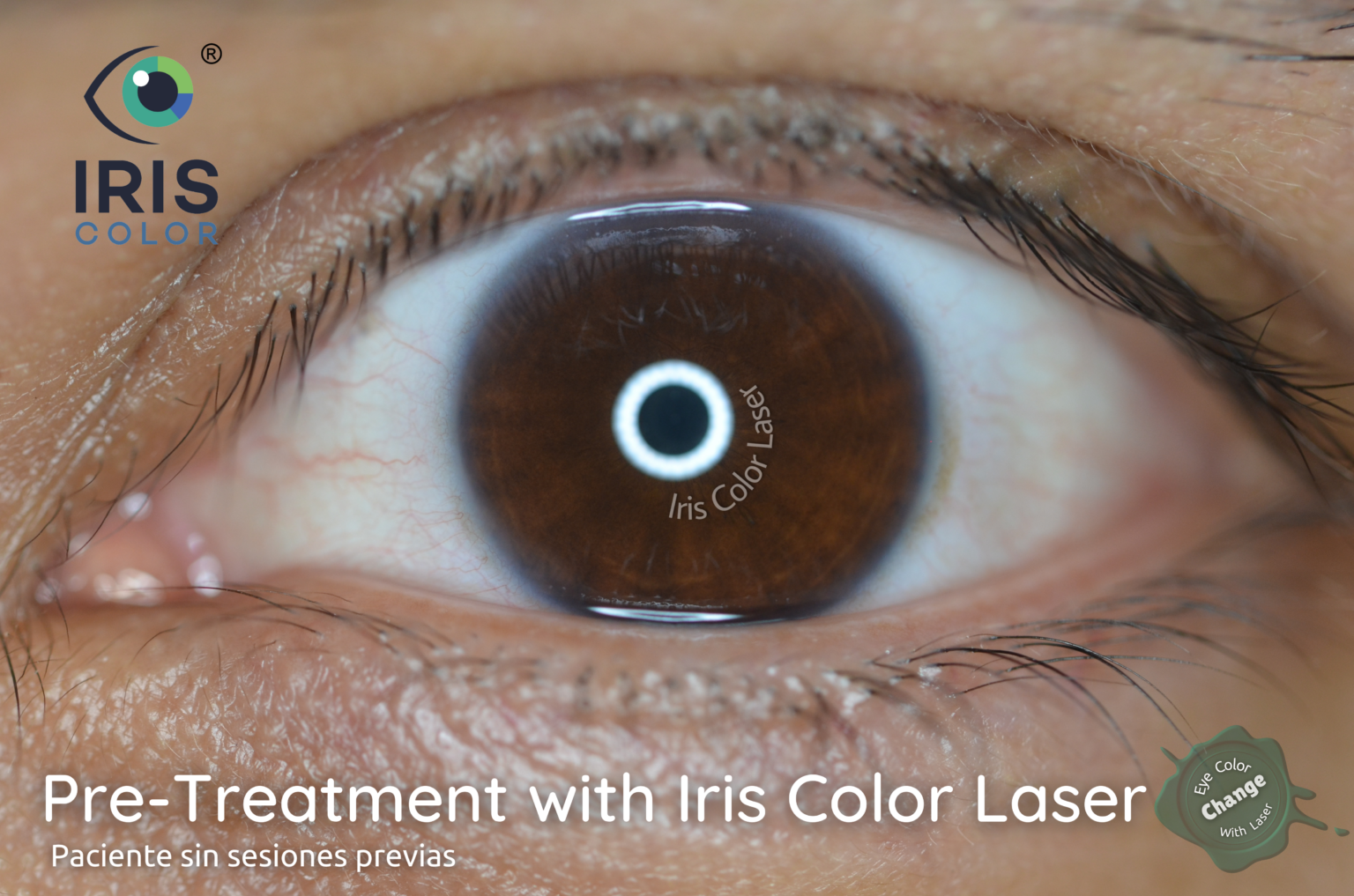
Real results.
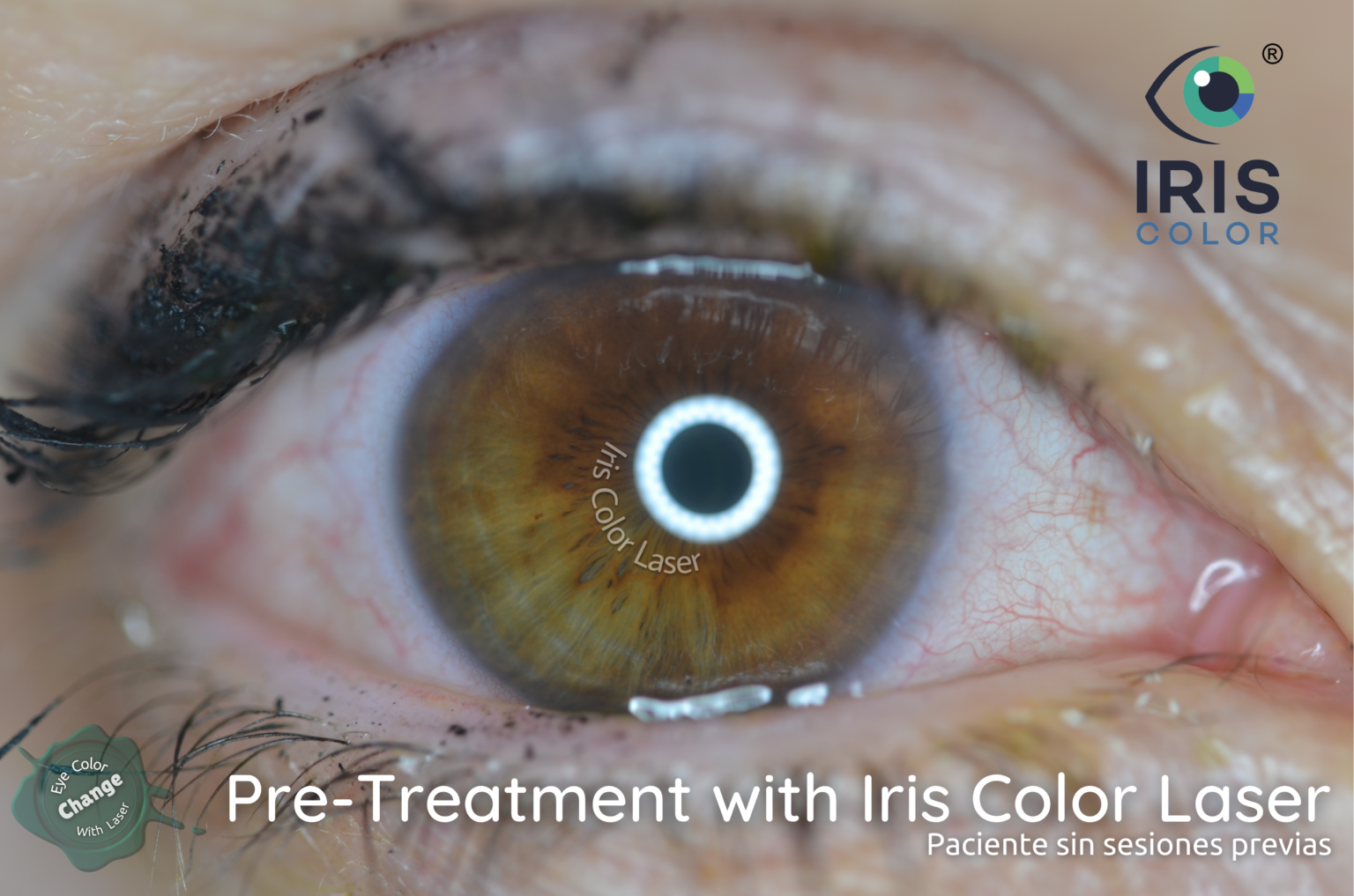
View different results from some of our patients, but always remember that every patient responds differently and achieves a UNIQUE result.
An interest in changing eye color for cosmetic reasons alone does not establish whether an eye meets the appropriate conditions to proceed. The evaluation is intended to identify relevant findings and establish realistic expectations.
No. No eye procedure should be presented as risk-free. Temporary light sensitivity, dry eyes, eye irritation, and/or blurred vision may occur after a session. The medical literature has also described more significant complications following cosmetic laser iris depigmentation procedures. Although uncommon, these must be considered as with any ophthalmic laser procedure, making patient selection and follow-up essential. You can review the risks in the Candidates and Safety section.
Light sensitivity, a feeling of dry eyes, irritation, and/or mildly blurred vision may commonly occur in the hours after sessions. These symptoms are usually mild and temporary, lasting a few hours. Their intensity and duration vary from patient to patient, but they are generally well tolerated.
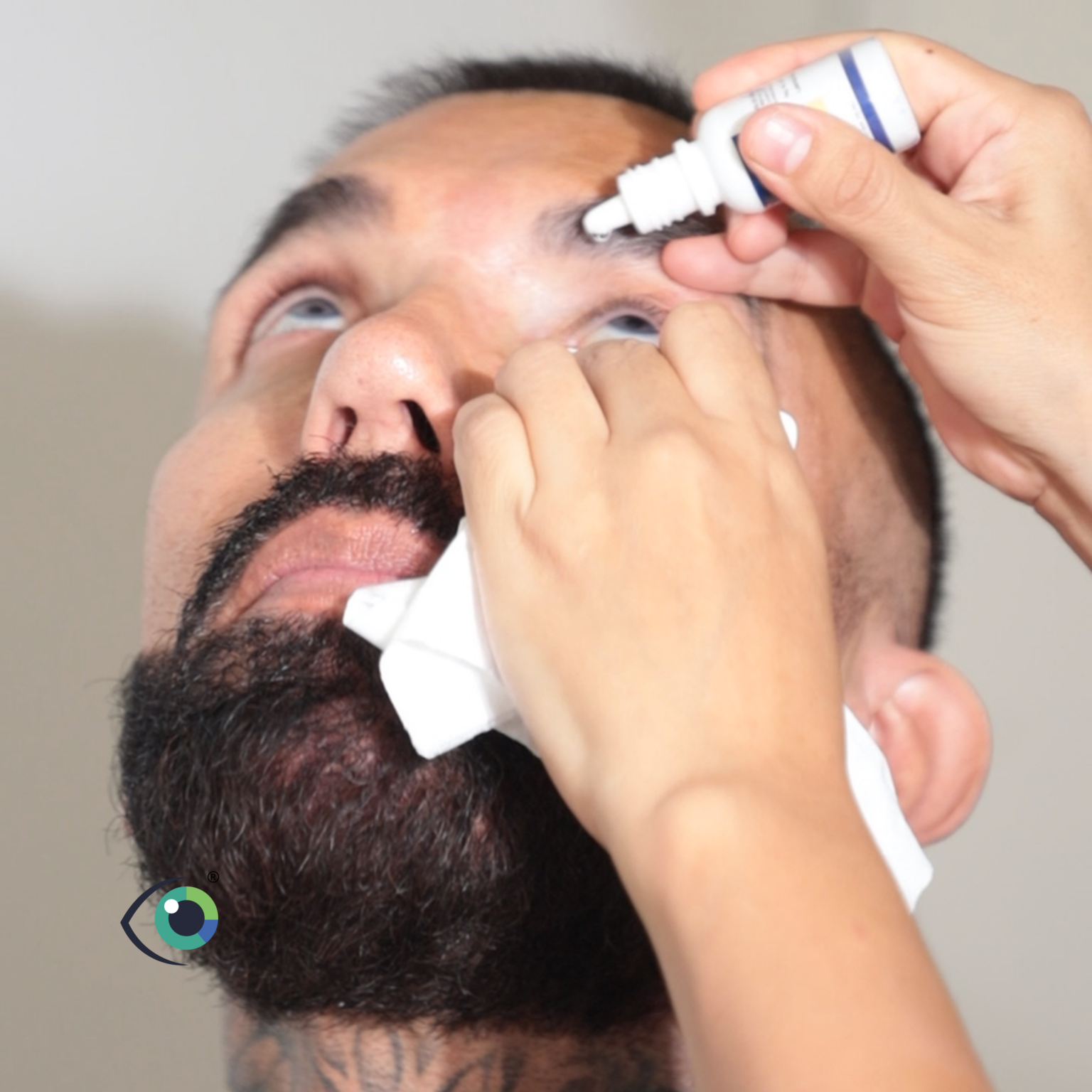
Use the eye drops exactly as prescribed. On the day of your session, we recommend bringing sunglasses, resting your eyes—preferably by taking a nap—and not driving when you leave. During the first three days, the Iris Color Laser protocol recommends avoiding strenuous exercise and alcoholic beverages. Always follow the specific instructions you receive during your consultation.
Medication is not the same for everyone. Your ophthalmologist will prescribe the specific drops, dosage, and duration of treatment based on your eyes’ response. Do not substitute, discontinue, or extend the use of medications based on recommendations from other patients or information found online without consulting your doctor. For your convenience, you can purchase the drops from us or at any pharmacy with your prescription.
.
Because treatment is performed on an eye structure called the iris. Before considering the cosmetic goal, eye health must be evaluated, risk factors identified, and a decision made about whether you meet the conditions to be a candidate for treatment.
Contact a clinic
Your next step.
An evaluation allows us to review your case and determine whether it is appropriate to proceed.
Treatment is considered only for people over 18. Age alone does not determine candidacy: diagnostic studies and an ophthalmologic evaluation are always required.
Expectations beyond the scope of treatment
The final shade, rate of change, and number of sessions vary with each iris. Starting treatment is not recommended if your decision depends on achieving an exact color, meeting a fixed deadline, or reproducing someone else’s result.
Involuntary eye or body movements
Laser application requires stable eye fixation. Involuntary movements that prevent precise treatment may make the procedure unsuitable. You need to remain in a stable position for a few minutes during each session. Tremors, spasms, or body movements that are difficult to control may prevent safe, precise application.
Pregnancy
Treatment is not recommended during pregnancy or if you suspect you may currently be pregnant, because aftercare includes certain eye drops that are contraindicated during pregnancy.
Changes in corneal transparency
The cornea must allow a clear view of the iris. Scars, opacities, or other corneal changes require specific evaluation and may rule out treatment.
Glaucoma
Glaucoma, uncontrolled intraocular pressure, or optic nerve damage may contraindicate treatment. The decision is based on diagnostic studies and the current condition of each eye.
Uveitis
Uveitis is inflammation inside the eye. An active episode or certain inflammatory conditions in your medical history may rule out treatment, even if there are no symptoms at that time.
Autoimmune conditions
Some autoimmune diseases can cause severe post-treatment inflammation; therefore, the treatment is not performed on patients with the following diagnoses: Hashimoto's thyroiditis, Graves' disease, rheumatoid arthritis, systemic lupus erythematosus (SLE), psoriasis, multiple sclerosis, myasthenia gravis, giant cell arteritis, polyarteritis nodosa, Behçet's disease, sarcoidosis, relapsing polychondritis, Vogt-Koyanagi-Harada disease, Birdshot disease, uveitis associated with autoimmune diseases, Graves' disease with thyroid eye disease, cutaneous lupus erythematosus, and discoid lupus erythematosus, among others.
Although these events are very uncommon, they are side effects reported in the literature for ophthalmic laser treatments in general.
Iris inflammation
This is inflammation of the iris. It may cause pain, light sensitivity, or blurred vision and requires an ophthalmologic evaluation to determine appropriate treatment and follow-up.
Increased eye pressure
Eye pressure may increase after a session. This may be temporary or require medication and additional checks, which is why pressure measurement is part of follow-up.
Corneal swelling
Fluid accumulation in the cornea may cause blurred vision and sensitivity. Its progression depends on prior corneal health and may require treatment and specialized monitoring.
Iris bleeding
A blood vessel in the iris may bleed during or after a session. If this occurs, laser application is stopped and the eye is evaluated before any further session is considered.
Anterior iris adhesions
This is an adhesion of the iris in the anterior angle of the eye. It may affect internal fluid drainage and contribute to changes in intraocular pressure.
Changes in pupil shape
This is a change in the shape of the pupil. In addition to its cosmetic effect, it may cause glare or visual discomfort depending on its location and extent.
Loss of lens transparency
Lens injury or significant inflammation may contribute to clouding of the lens. If a cataract affects vision, surgical treatment may be required.
Defect in iris tissue
A focal injury may leave a defect in the iris tissue. Depending on its size and location, it may allow light to pass through irregularly and cause glare or visual disturbances.
Loss of iris tissue
Thinning or damage to the iris may change its structure and the pupil’s response. This may increase light sensitivity or cause visual phenomena.
Macular injury and/or retinal hemorrhage
Accidental exposure at the back of the eye may cause a thermal injury or retinal bleeding. Depending on the area affected, the visual impairment could be permanent.