01 · PROCEDURE
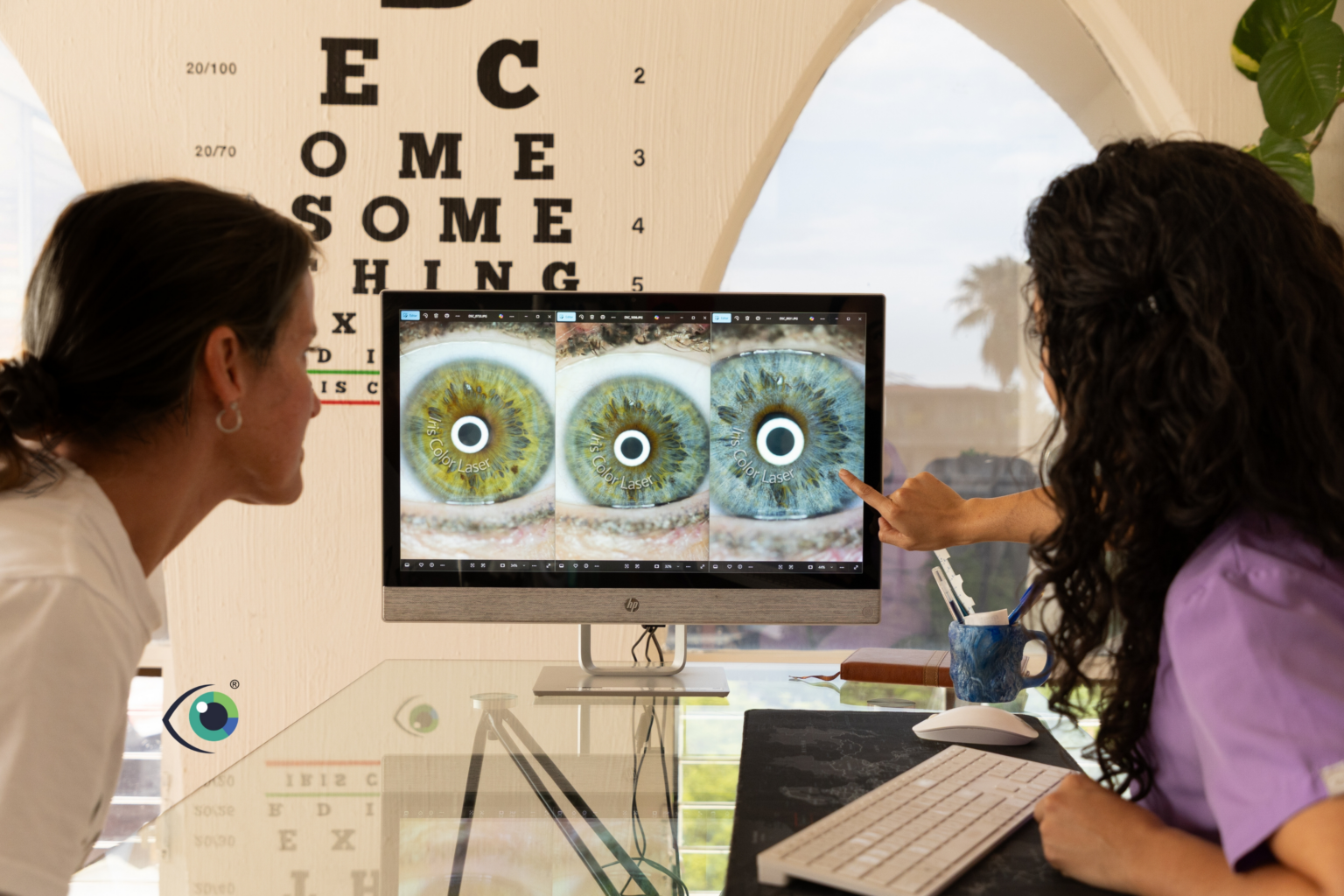
Progressive iris color change, without implants or added pigments.
Photothermoablative Iridoplasty uses a laser applied on an outpatients basis and without surgery. The change develops over multiple sessions and depends on the each iris’s response.
02 · ANATOMY
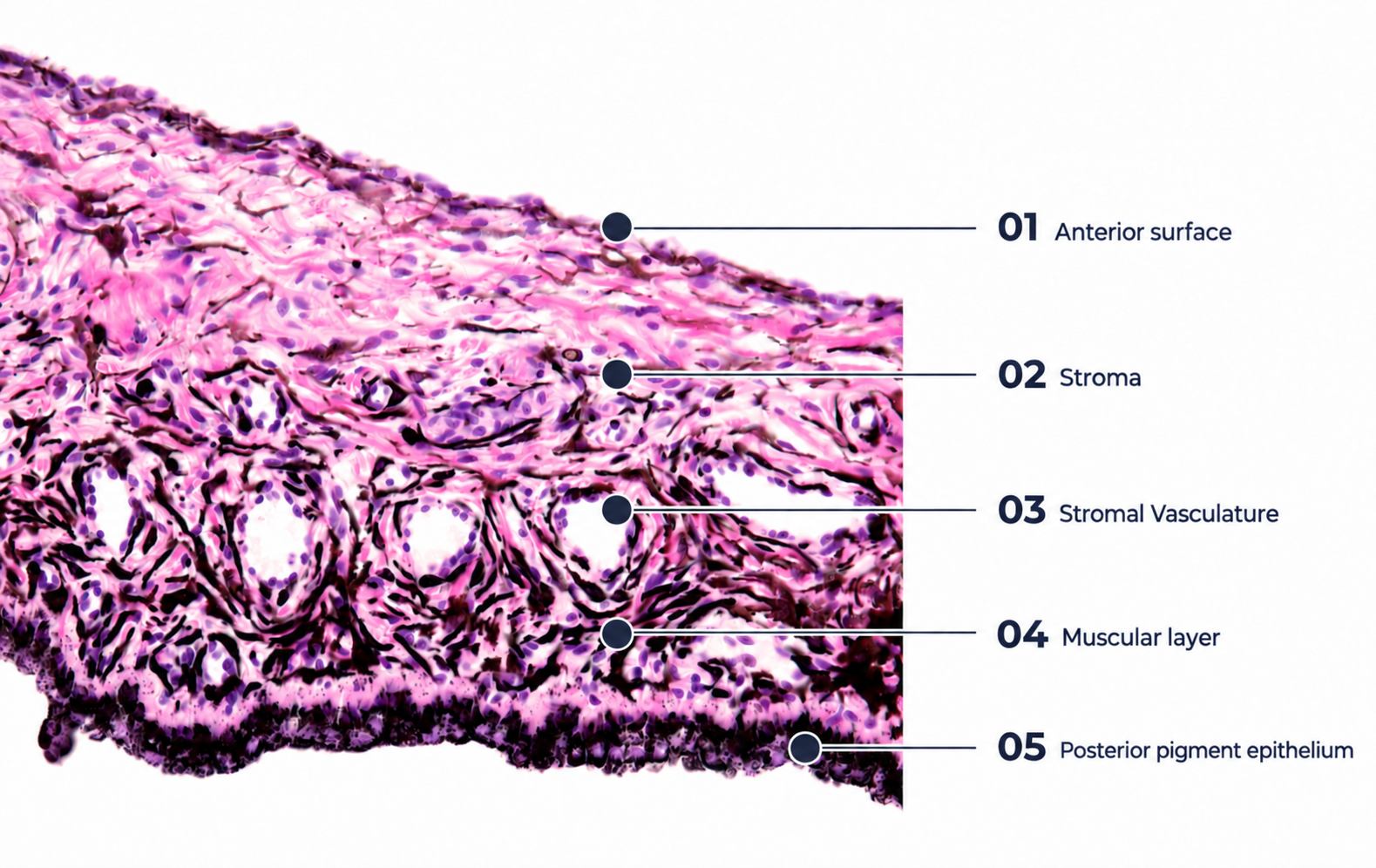
Every iris is UNIQUE and responds in a UNIQUE way.
The amount of pigment and the architecture of the iris vary from person to person. This is why the final color and number of sessions cannot be predicted.
03 · HOW IT WORKS
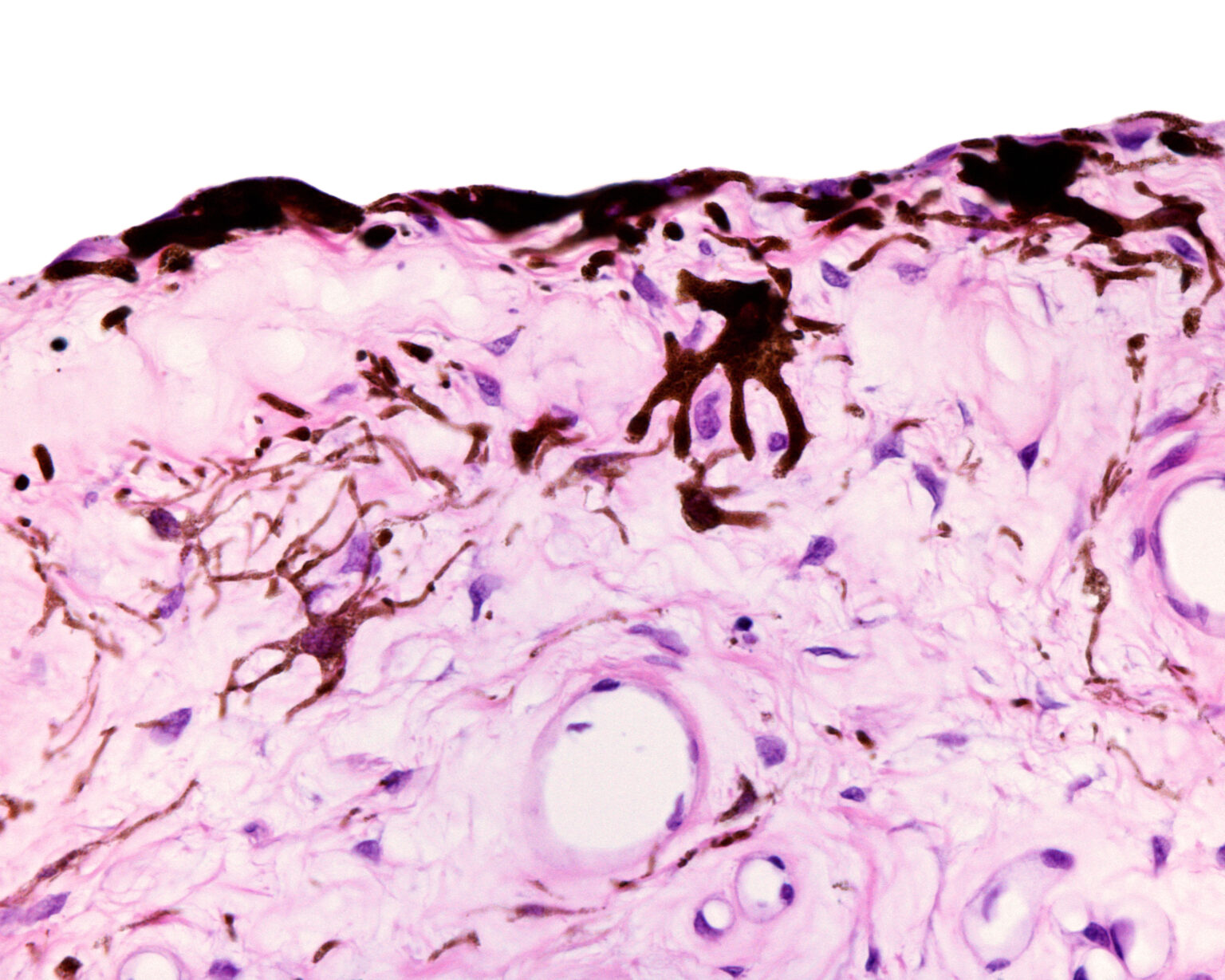
Laser targeting visible pigmentation.
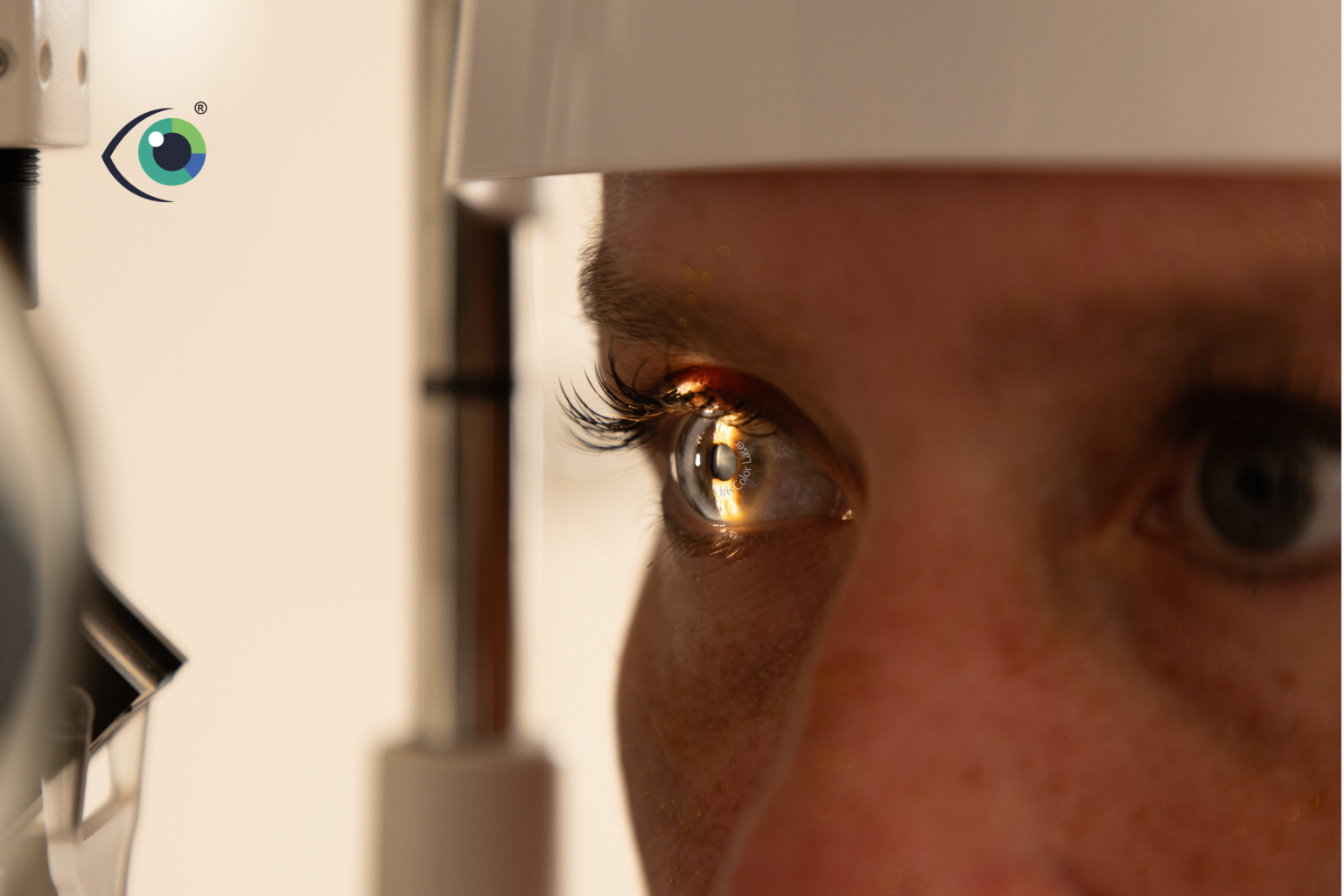
The ophthalmologist treats selected areas of the iris. The laser targets melanin during each session, and the patient’s immune system is responsible for progressive depigmentation.
04 · YOUR JOURNEY
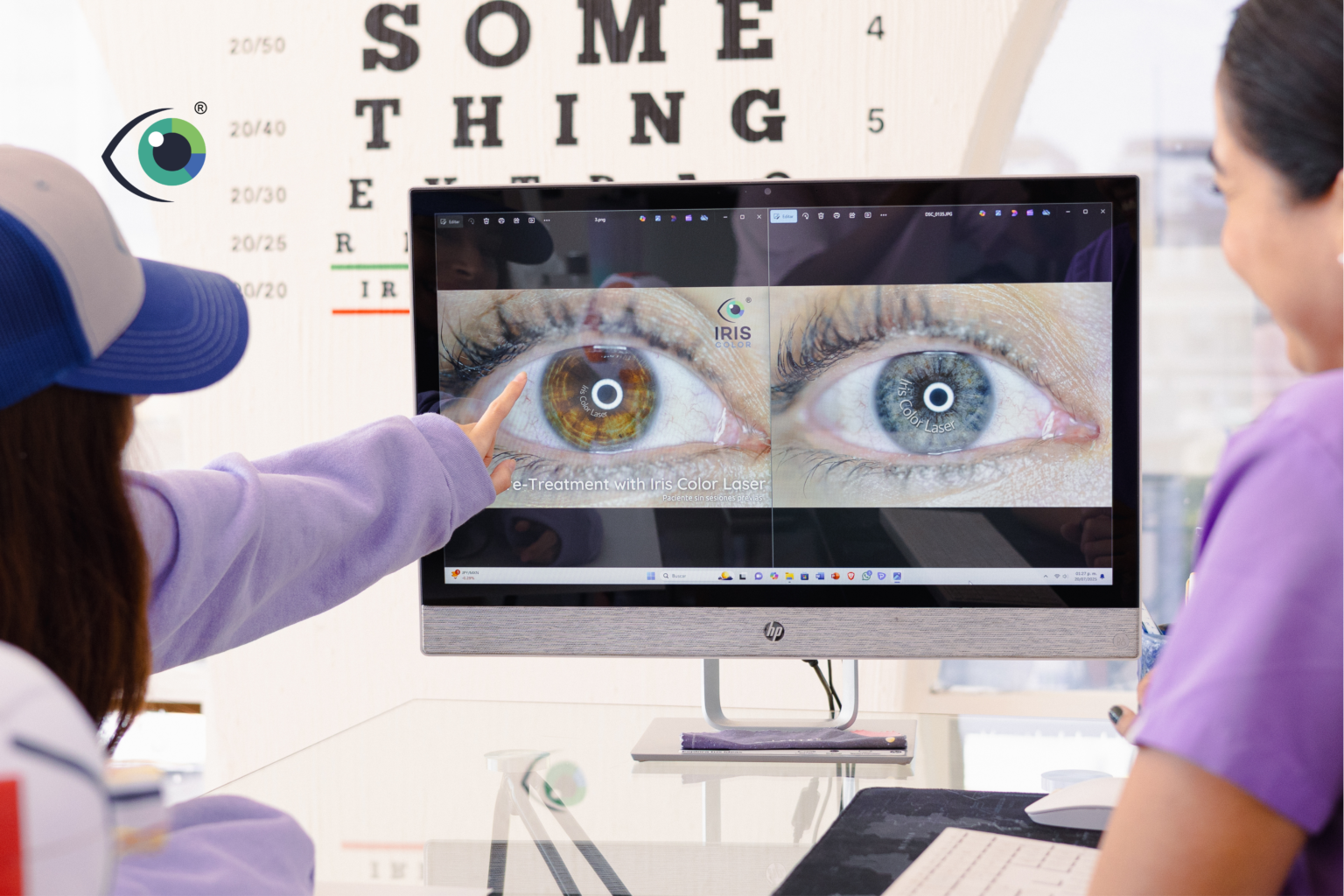
Four steps, one individual plan.
- 01
Diagnostic studies
Have the requested studies performed on both eyes.
- 02
Evaluation
The ophthalmologist confirms whether you are a candidate during your consultation.
- 03
Sessions
Treatment progresses gradually.
- 04
Follow-up
We review your progress and adjust the plan.
05 · BEFORE YOU BEGIN
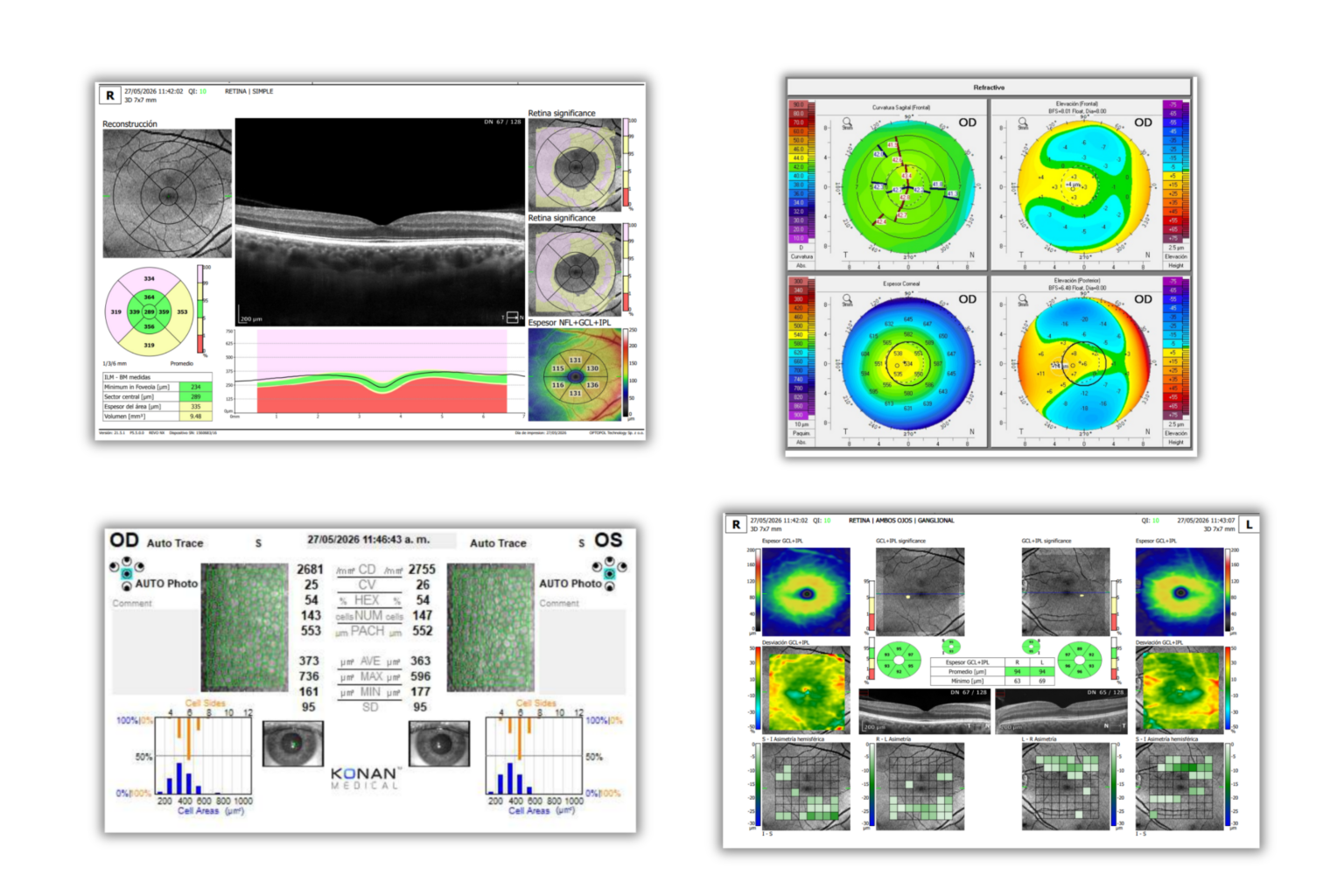
Diagnostic studies before deciding.
To determine your candidacy, complete and up-to-date ophthalmic imaging studies are required; these are correlated with the assessment performed during your in-person consultation. When scheduling your appointments, our assistant can help you arrange the necessary tests at an independent clinic or provide you with precise details regarding which tests are required.
06 · ONE SESSION
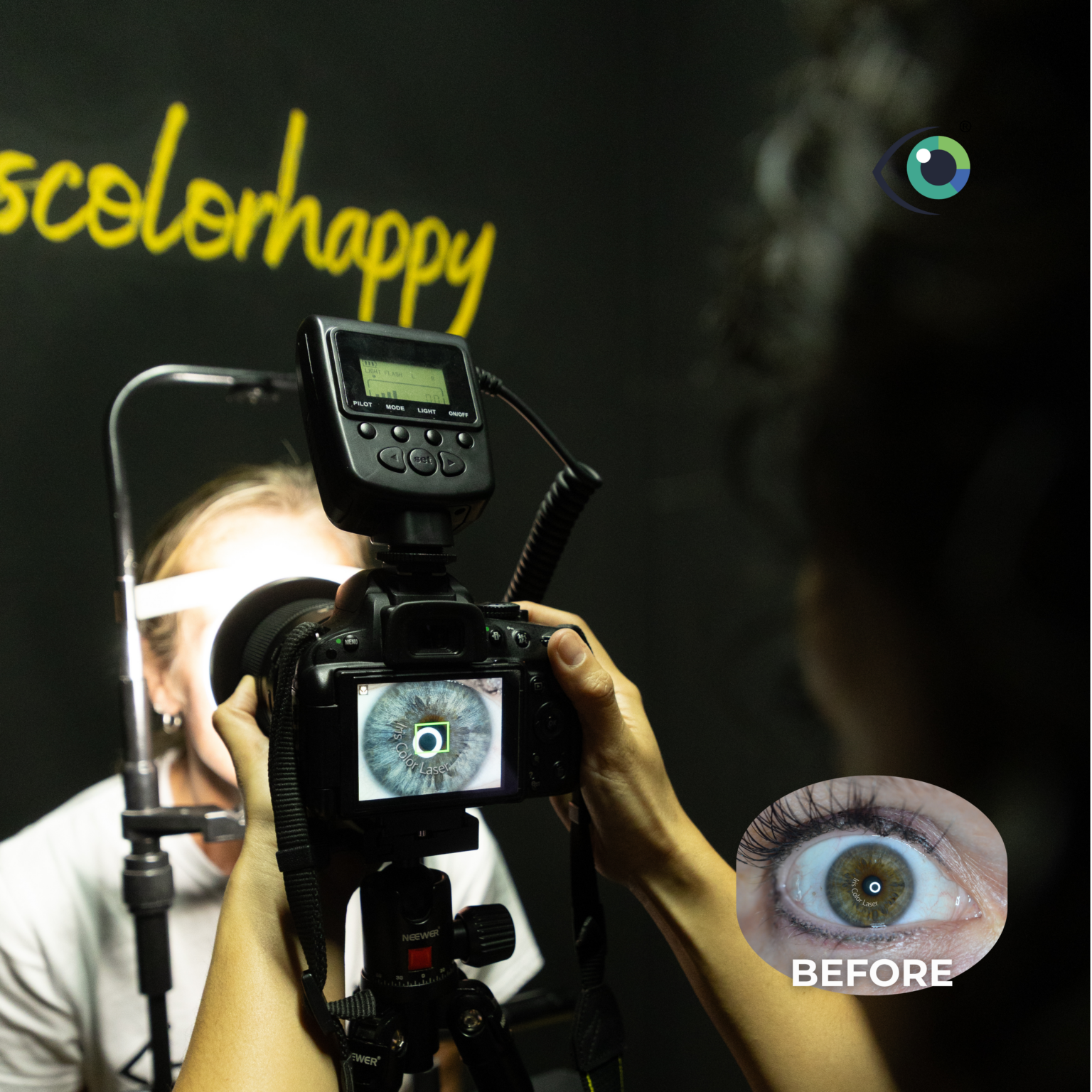
Brief, outpatient, and guided by an ophthalmologist.
- 01
Examination and photographs
We confirm that the eye is in appropriate condition for treatment. We take clinical photographs for planning and follow-up.
- 02
Preparation
We apply drops to prepare the iris, topical anesthesia, and lubrication.
- 03
Laser
The laser session usually lasts a few minutes per eye.
- 04
Review and aftercare
The eye’s immediate response to the laser is evaluated. You receive eye drops and instructions for the hours afterward.
07 · ICL PROTOCOL
ONE – TWO – WAIT
Our protocol consists of two sessions on consecutive days, with a minimum interval of 30 days before the next pair. In our experience, many patients notice visible changes around 8–12 sessions, but each case may require fewer or more sessions depending on multiple factors.
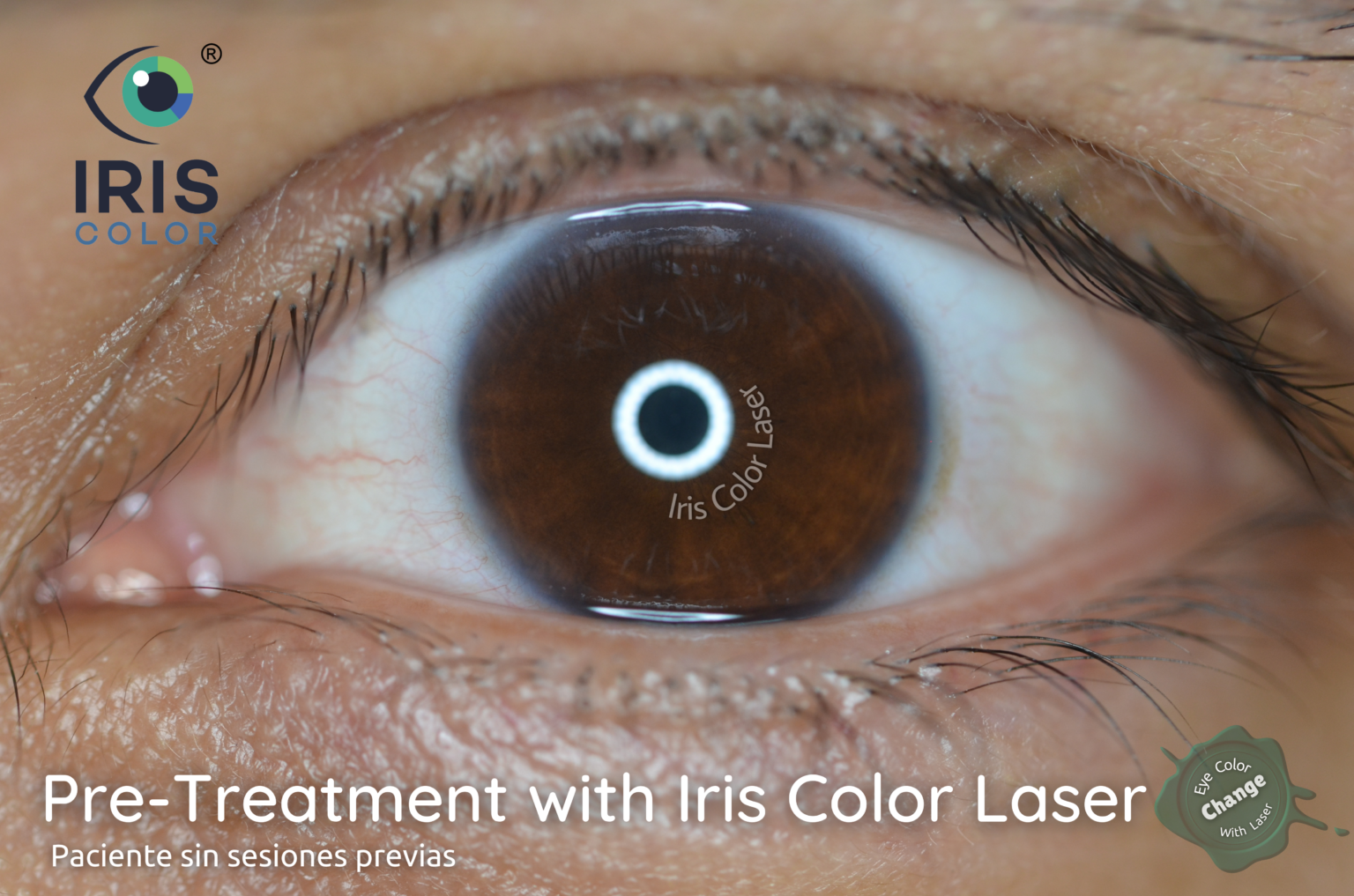
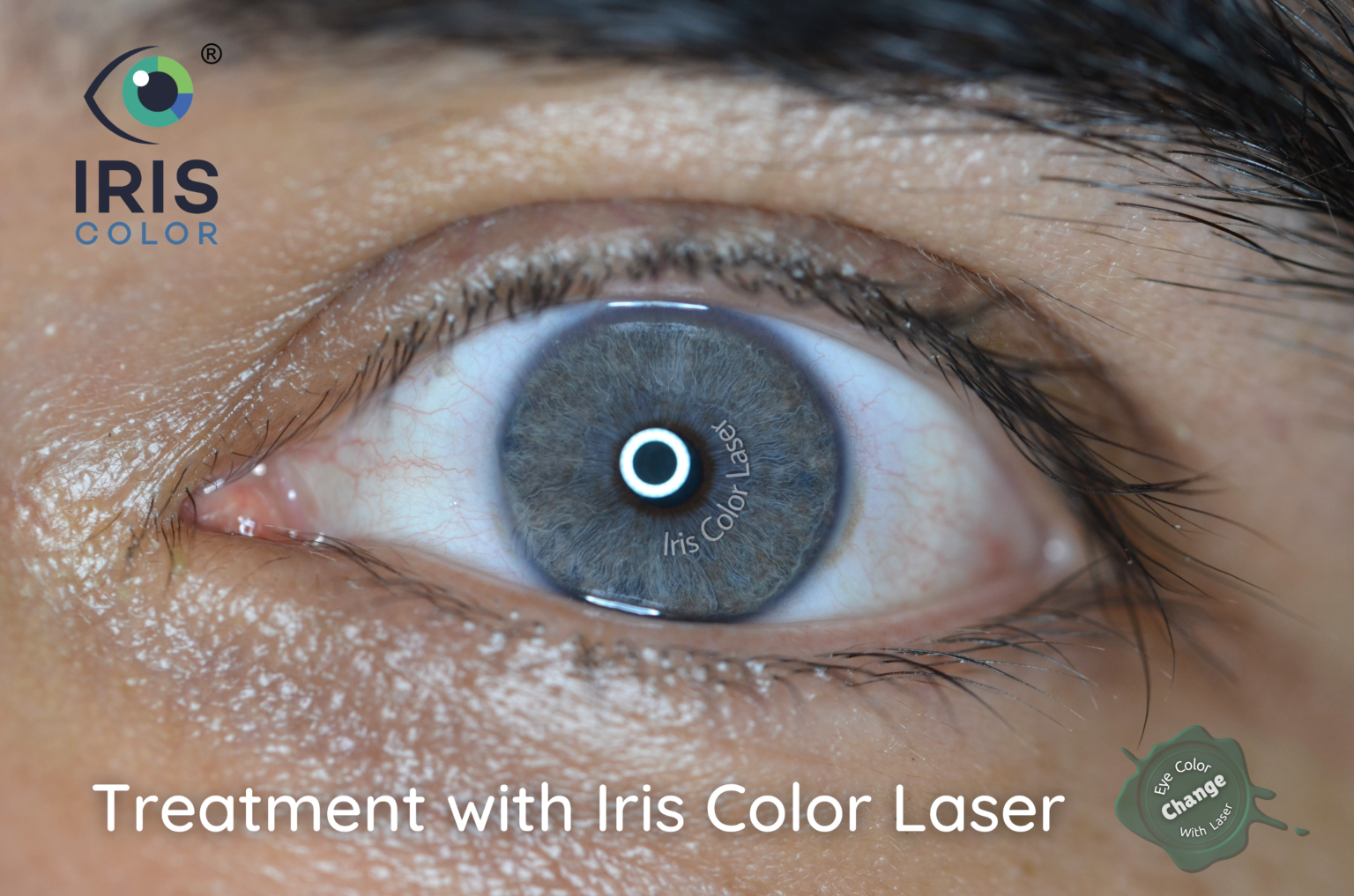
CLINICAL RESULTS
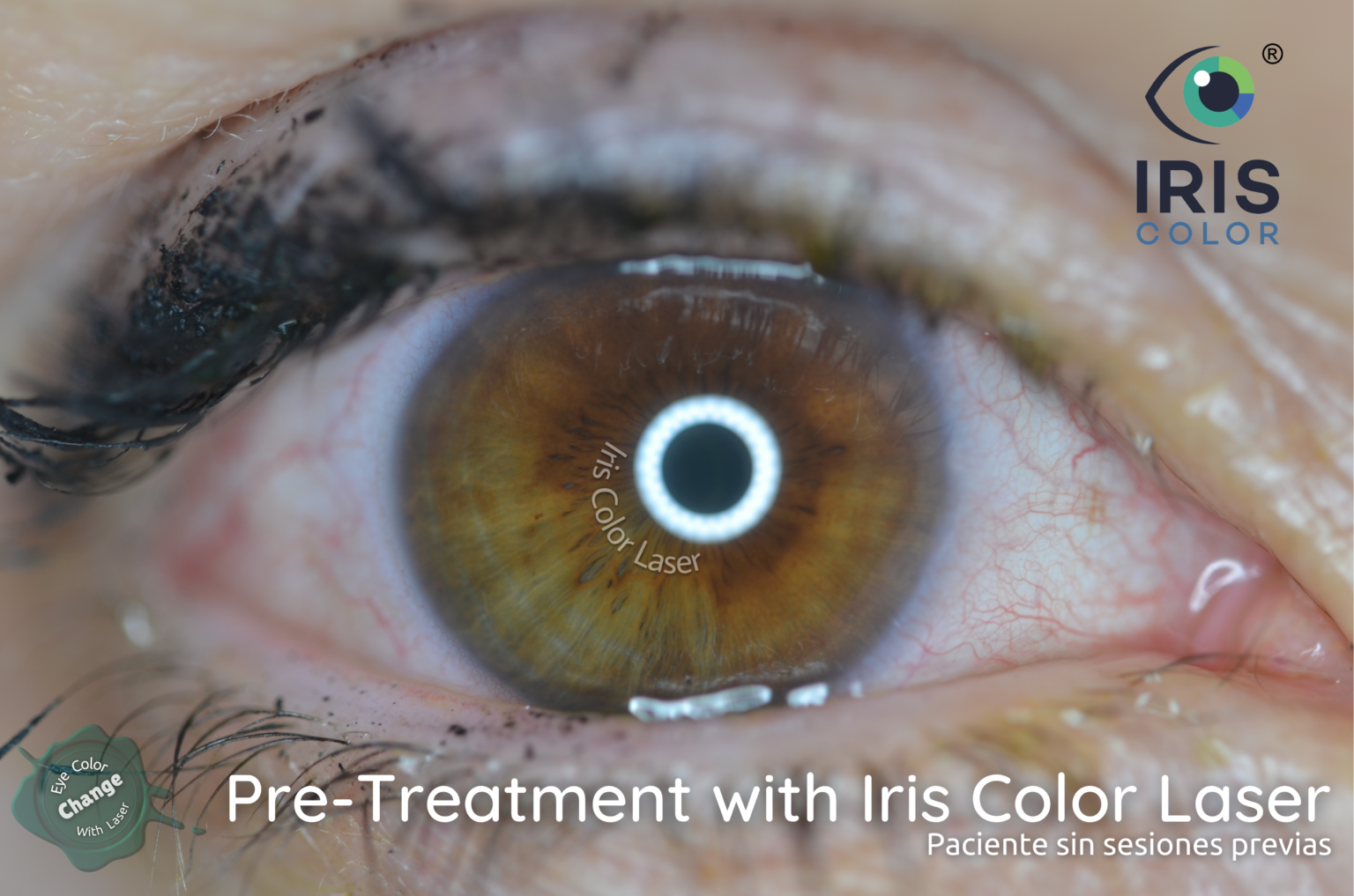
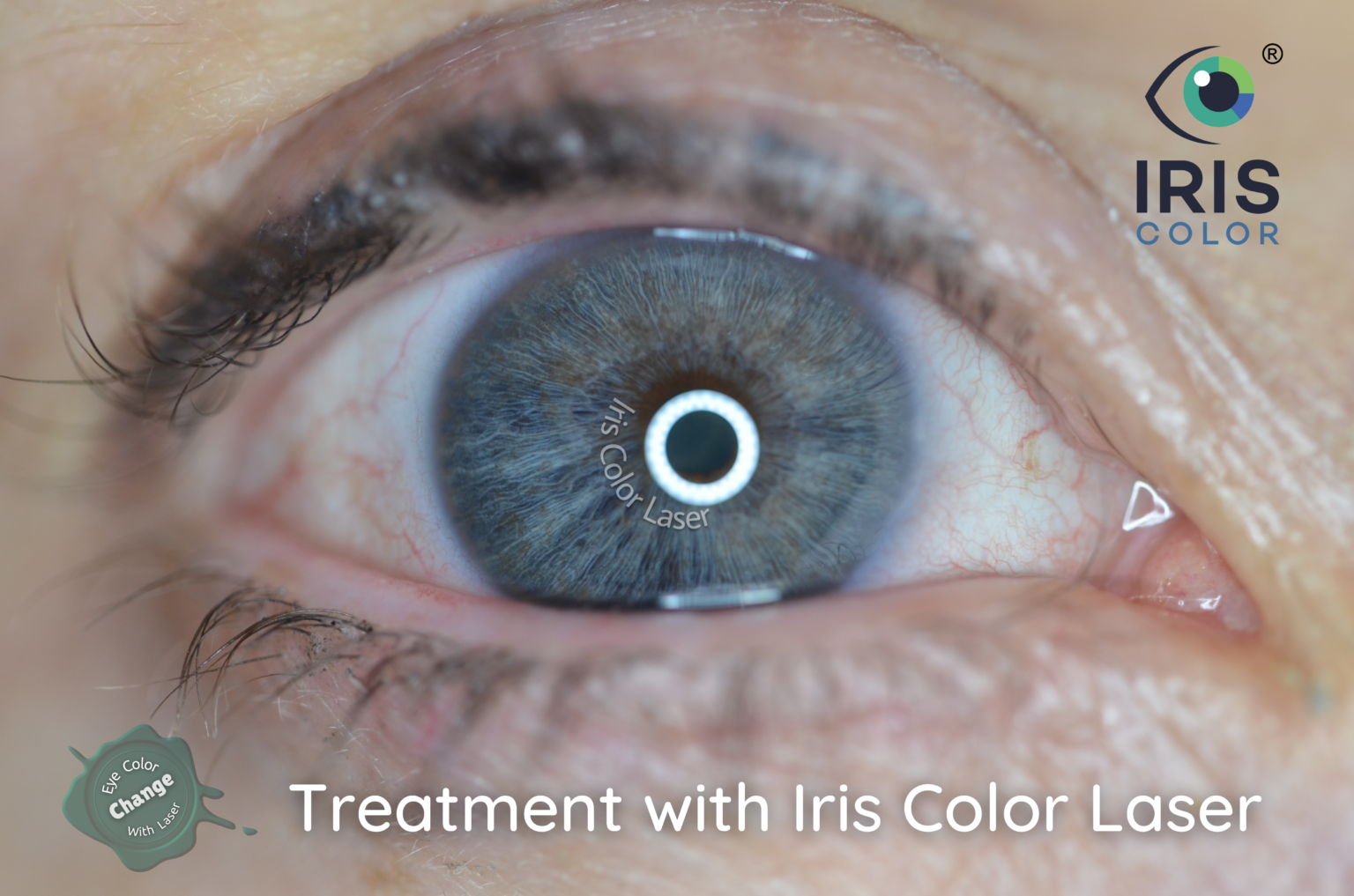
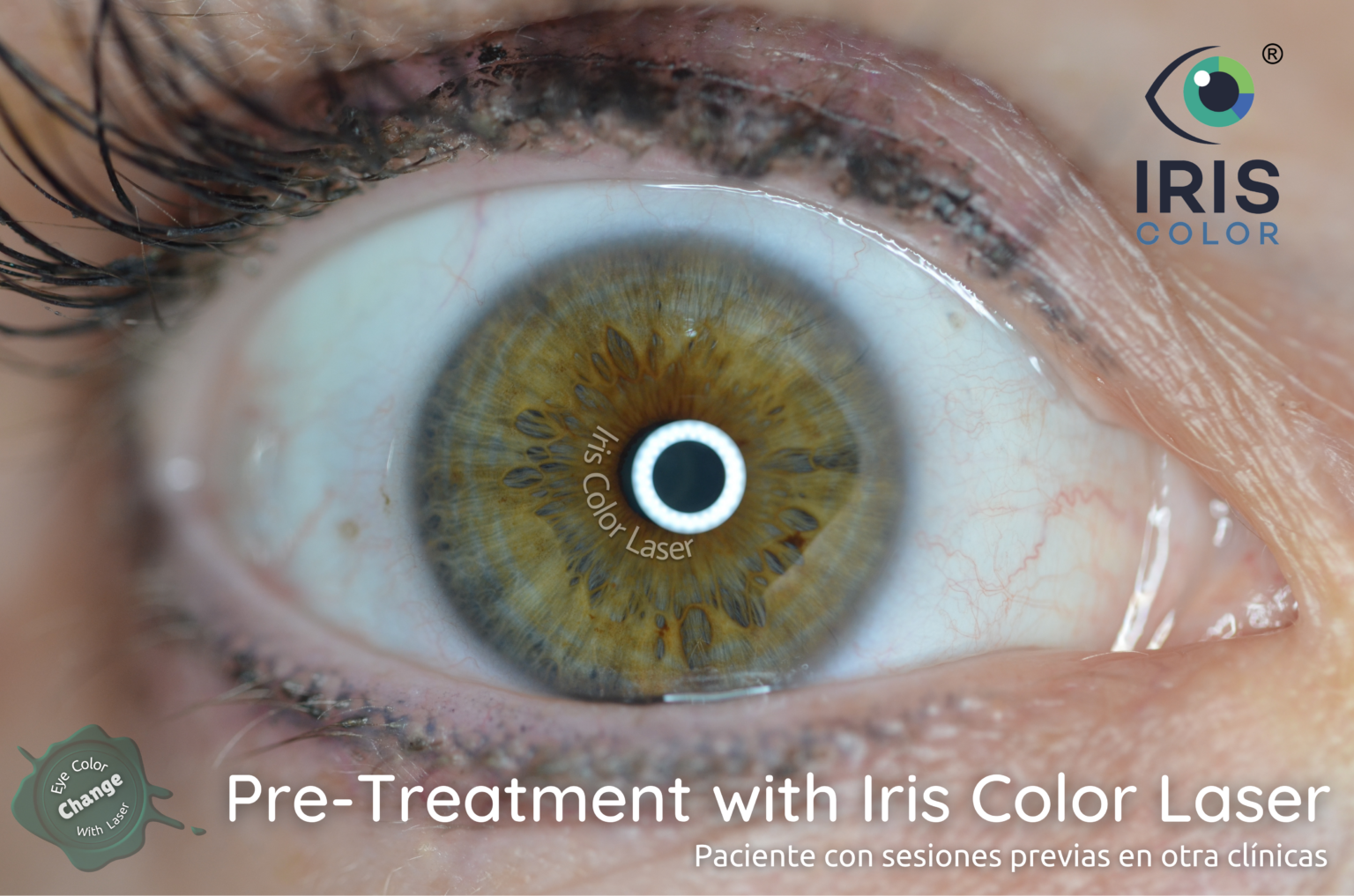
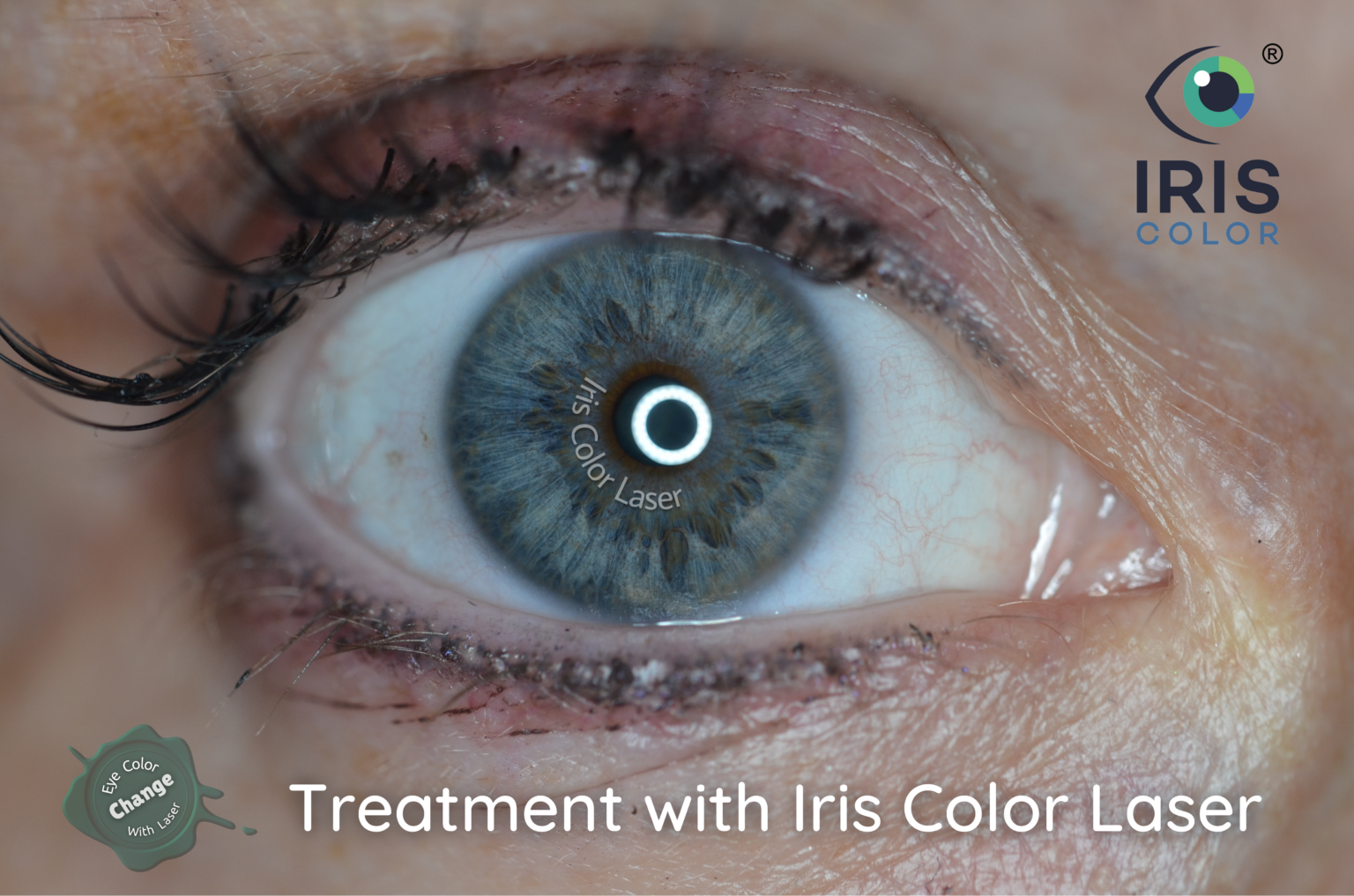
The result becomes apparent during the process.
Genetics, iris architecture, and the amount of melanin influence progression. Shown cases provide a visual reference, not a prediction.
FREQUENTLY ASKED QUESTIONS
Essential questions before you begin.
Photothermoablative Iridoplasty aims to progressively reduce visible pigmentation in the anterior layers of the iris using a laser. The change develops over several sessions and is documented through examinations and clinical photographs. It does not involve placing implants or pigments inside the eye. As a depigmentation process, it does not allow an exact final color to be chosen in advance or the number of sessions needed to reach a final result to be predicted.
This is the term we use for an ophthalmologic laser procedure intended to progressively change the appearance of iris color by reducing visible pigmentation. The laser is applied from outside the eye, and treatment is planned individually.
At Iris Color Laser, we use specialized ophthalmic technology within our own clinical protocol for progressive iris color change. The methodology, equipment configuration, and application criteria are part of our intellectual property. Each treatment is performed exclusively by certified ophthalmologists and is personalized after an individual medical evaluation.
Topical anesthetic drops and eye lubrication are applied before each session. The procedure is generally well tolerated and not painful, although it can be uncomfortable. The experience may vary from person to person depending on pain threshold and other factors. Preparation beforehand is intended to make the session as comfortable as possible. It is an entirely outpatient procedure.
Laser application usually takes approximately 3 to 5 minutes per eye. However, the session is only one part of the evaluation performed at each visit. Allow additional time for the examination, preparation, instructions, patient cooperation, and any assessment the ophthalmologist needs to perform that day. The total time at the clinic is usually about one hour per visit.
Contact a clinic
Would you like to know whether you can begin?
We review diagnostic studies, eye health, and expectations before determining the next step.